OUR PRODUCT
THE CHALLENGE
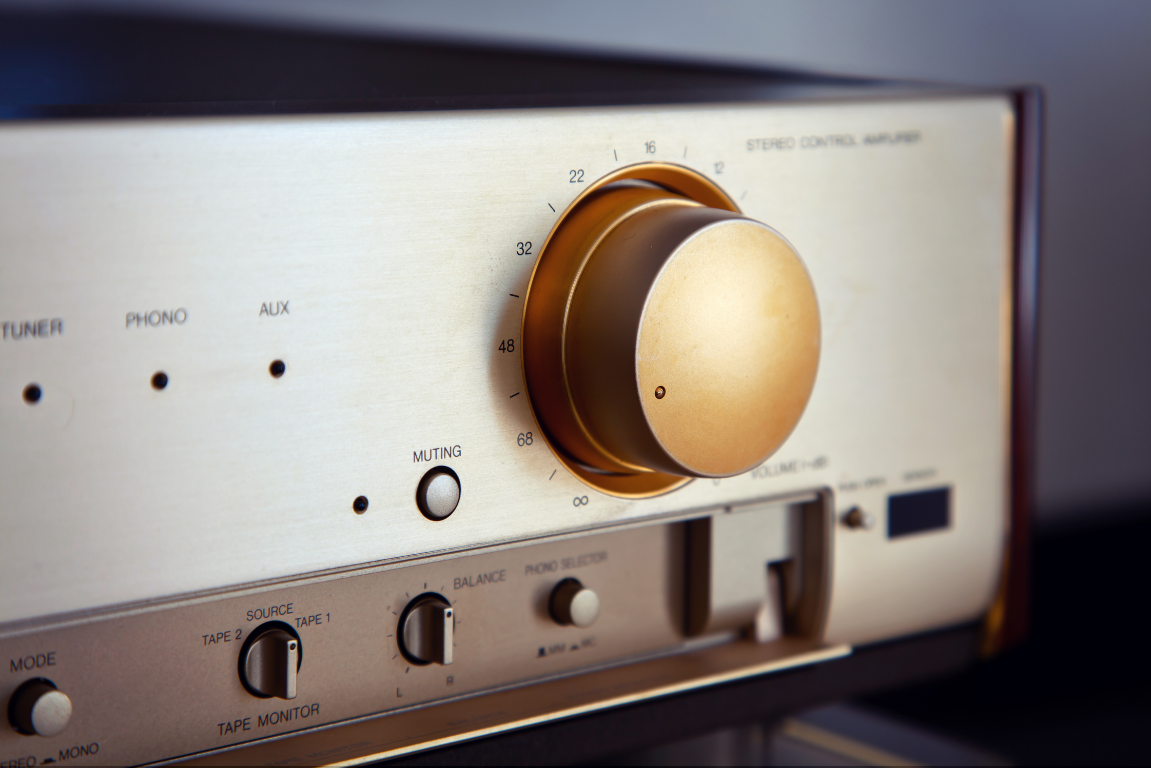
Most audio amplifier development today focuses on the wrong parameters, while factors such as efficiency, size and reliability are often overlooked. That results in weaknesses and low reliability of sound systems across a wide range of applications within commercial, PA, emergency and fixed install market segments. Many audio amplifiers that are installed in these outdated systems usually depend on wired communication, making it difficult to detect failures or to monitor the system performance. Efficiency is important since some of those systems may be running 24/7, and less heat and power usage leads to higher reliability and lower electricity costs.
OUR SOLUTION
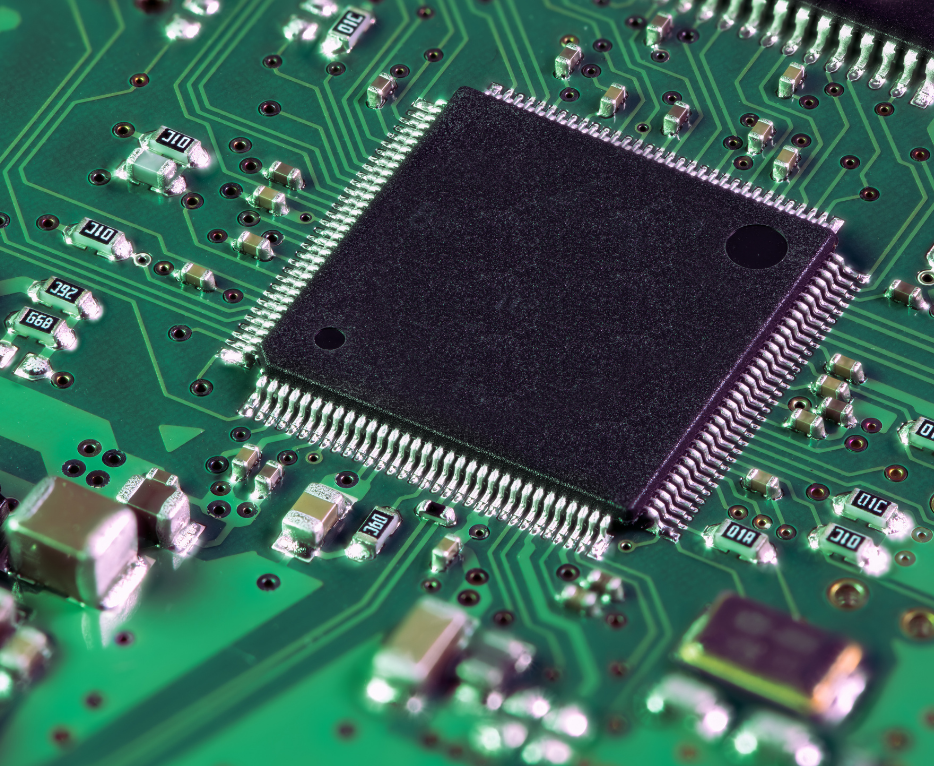
Our digital Class-D amplifier design reduces both energy consumption and device size compared to conventional amplifier classes. By integrating digital sound quality control on an integrated processor and using innovative GaN transistors, we overcome the increased distortion that is often linked to this amplifier type. Providing the possibility of wireless communication, our design combines all key hardware and software functionalities into a single compact and accessible device. The implementation of an integrated digital processor enables flexibility, allowing the same device to be adapted through software to deliver specific value across a wide range of applications.
PoE++ ACTIVE SPEAKER MODULE
Our next major step in product development is a strategic partnership with JOYNED GmbH. Together, we are developing a compact PoE++ module that transforms any passive speaker into a fully active, MILAN-ready audio hub. Soon, you will be able to deliver both pristine sound and power over a MILAN network using a single cable for a clean, amplifier-free setup which eliminates power lines and copper cables. Stay tuned for updates as we work alongside JOYNED to bring this streamlined, active audio solution to life in the fixed-install segment of professional audio applications, which is our main focus.